

The Best Foodie Retirement Cities in Latin America & Europe

Updated: Jan 20
One of the most surprising things I Iearned as an American living overseas was how much I took the extremely diverse U.S. food scene for granted. I've lived in some countries that had very limited offerings outside of their own cuisine--which, as wonderful as it is, can get old for those used to variety. Other countries had food cultures not quite suited to my palate, and I had to ship in certain foods and spices to supplement what I could find locally. So while it may seem a small thing, when considering a country to live in it's actually quite important to research what your dining options will be in that country, and whether those align with your current habits.
This step is even more crucial for gourmets. For them, retirement isn’t about eating cheaply — it’s about eating well, often, and intelligently. The gourmet's ideal retirement city offers daily access to pristine ingredients, a dining culture that rewards curiosity, and opportunities to deepen one’s culinary knowledge through markets, tastings, private clubs, and hands-on experiences.
Below are 8 cities (4 in Europe, 4 in Latin America) that combine: daily access to fresh ingredients, strong “eat-out” culture, plenty of classes/tours/clubs, and a steady pipeline of new spots to try.
EUROPE
1) Valencia, Spain
Valencia is not merely the birthplace of paella — it's a city where rice culture is treated with near-religious precision. For gourmets, the appeal lies in uncompromising standards: ingredient sourcing, technique, and tradition matter.

Food culture vibe: Morning market runs, long lunches, “rice diplomacy” (yes, paella gets taken seriously here), strict respect for culinary authenticity, a very social café rhythm, and sobremesa (lingering at the table after the meal). It's reasonably easy to find ethnic foods in Valencia, especially Asian (Chinese, Japanese, Indian) and Latin American options, though opinions vary on quality and diversity compared to local Spanish food.
Don’t-miss experiences:
Browse Mercado Central for seafood, spices, and seasonal produce (it’s basically a
cathedral for food people)
A strong cup of coffee with a slice of tortilla de patatas (cheese and potato omelet) for breakfast
A paella & market class is the perfect “make local friends fast” activity. Note there are many, many variations of paella, so you are sure to find one that suits your tastes
Try horchata (a sweet tiger nut milk drink) with fartons (long, sweet light breadsticks designed to be dipped in the horchata)
Do a tapas crawl, hopping between bars to sample small plates and local wine

Gourmet highlights:
Market-to-table paella experiences with strict rules on rice varieties and preparation. Visit Casa Carmela / Arrocería Maribel, which is famous for the traditional Paella Valenciana (made with rabbit, chicken, beans, and saffron)
Daily access to Mediterranean seafood, heritage vegetables, and olive oils
Michelin-recognized dining without Madrid-level pricing
Private food tastings and chef-led market walks
Average cost of dining out for two (mid-range, 3 courses, no drinks): around $70.
2) Bologna, Italy
This is one of my all-time favorite cities in the world. If you love red meat and pasta, you absolutely must do a pilgrimage to Bologna at least once in your life.

Food culture vibe: Bologna is for expats who want to live inside a culinary canon. This is not novelty cuisine — it's craftsmanship refined over centuries. Handmade pasta, small producers, the passeggiata (talking a walk before dinner), aperitivo (a civilized pre-dinner ritual that turns into dinner if you let it), and a calendar packed with food-focused events. It's quite easy to find various ethnic foods in Bologna, as it's a multicultural city with a significant international population, offering diverse options like Chinese, Indian, Syrian, Greek, Lebanese, and South American cuisines alongside its famous local Italian fare.
Don’t-miss experiences:
Buy freshly-made pasta (tagliatelle/tortellini) and learn what ragù is supposed to taste like
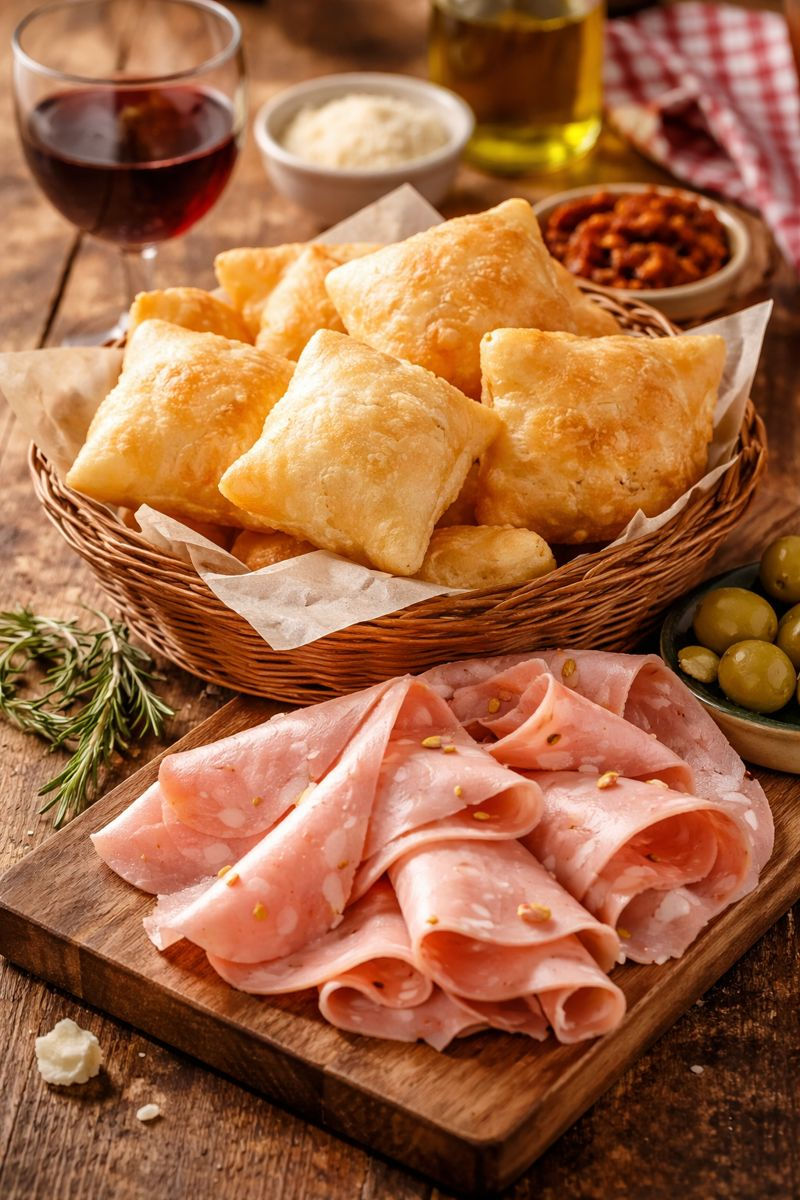
Try sandwiches like piadine or tigelle, and some crescentine (aka gnocco fritto, puffy fried bread) with polpette (meatballs) or mortadella (it's not U.S. mortadella, trust me)
Go slow through markets and delis—Bologna rewards repeat visits more than “top 10 lists”
Sit at a table on the edge of the Piazza Maggiore at sunset with an aperitivo, and people-watch others enjoying the daily passeggiata. You can trade in the traditional aperol spritz for a glass of lambrusco, the area's fizzy red wine
Skip the generic tour group cooking classes--instead, sign up for classes with Le Cesarine, where a local welcomes you into their home and teaches you to prepare the specific dishes you want to learn to cook
Gourmet highlights
Artisanal pasta workshops
Deep immersion in PDO products: Parmigiano Reggiano, mortadella, Parma ham, balsamic traditions nearby
Intimate wine bars focused on Emilia-Romagna terroir
Regular food-centric social clubs and tastings
Indulge in a cup of coffee with decadent pastries at places like Gamberini and Caffe Zanarini
Eat at Osteria Francescana, celebrity chef Massimo Bottura's three Michelin-star restaurant in nearby Modena
Bring your own food to enjoy with the wine at the famous Osteria del Sole, a tavern founded in 1465
Average cost of dining out for two (mid-range, 3 courses, no drinks): around $80-90.
3) Lyon, France
Lyon is known as the gastronomic capital of France, and has a rich food heritage. It offers traditional comfort dishes, high standards, and a city that treats eating well as civic duty.
Food culture vibe: Market shopping and bakery runs are an integral part of daily life here. Lunch remains sacred; food is treated as culture, not entertainment. Lyon is not flashy — it's foundational. For expats with classical training or appreciation for French technique, this city offers unmatched culinary depth at reasonable prices. Global flavors (especially Vietnamese food) are also available if you seek them out in specific neighborhoods.

Don’t-miss experiences:
Eat at a bouchon lyonnais (classic local bistro style, serving unapologetically rich regional dishes).
Stock up at Les Halles de Lyon Paul Bocuse—a dream for cheese/charcuterie/ready-to-eat treats.
Daily trips to your local fromageries and charcuteries, to try regional specialties like Saint-Marcellin, a creamy cow's milk cheese often served warm, Cervelle de Canut, a fresh cheese dip with herbs, famous sausages like Rosette de Lyon and Jésus de Lyon, pâtés and terrines.

Gourmet highlights
Wine education rooted in Beaujolais, Rhône, and Burgundy access
Cooking classes emphasizing sauces, charcuterie, and technique
Vieux Lyon (Old Town): Wander cobblestone streets for artisan shops, chocolate makers, and traditional sweet treats like bugnes (similar to beignets)
Michelin Stars: Explore top-rated spots like Les Terrasses de Lyon, L'Alexandrin, Le Neuvième Art, and Prairial
Average cost of dining out for two (mid-range, 3 courses, no drinks): around $70
4) Porto, Portugal
Porto rewards those who appreciate ingredient purity and quiet excellence. Seafood, olive oil, pastries, and fortified wines dominate — without pretension.
Food culture vibe: Porto is about modest presentation, but impeccable flavor. It's simple ingredients done right—grilled fish, petiscos (Portuguese small plates), and port tastings when you feel like it. Here, wine is integral, not ornamental. There is a growing international scene with options like Asian, Indian, and Latin American, especially in central areas, reflecting Porto's evolving food landscape.

Don’t-miss experiences:
A port lodge tasting across the river in Vila Nova de Gaia (the classic Porto foodie “field trip”)
Try a proper francesinha and then argue about whose was best (you will). These are hearty, iconic sandwiches featuring layers of meats (like ham, sausage, steak) between bread, smothered in melted cheese and a rich, spicy beer-and-tomato sauce, typically topped with a fried egg and served with french fries.
Sample a wide variety of petiscos—even if you're solo.
Explore the fresh produce at Mercado do Bolhão.

Gourmet highlights
Direct access to fresh Atlantic fish and shellfish
Port wine lodge tastings with verticals and aging education
Rising fine-dining scene blending tradition and innovation
Pastry culture anchored by centuries-old techniques
Average cost of dining out for two (mid-range, 3 courses, no drinks): around $60
Have you wondered whether living abroad would really work for you, and whether you can afford it? Are you overwhelmed by all the options and factors to consider? Don't know how to get started? You're not alone, and we're here to help. Reach out to us at Wayfinder International. No sales traps, no generic or rose-colored answers--just thoroughly researched, realistic results tailored to your own preferences.
LATIN AMERICA
1) Mexico City, Mexico
This is yet another of my all-time favorite places! Mexico City (CDMX) is a global culinary capital, offering one of the most dynamic fine-dining ecosystems in the world — alongside profound traditional depth.
Food culture vibe: Options are infinite—markets, tacos, mezcal, bakeries, high-end restaurants, and neighborhood gems. CDMX is a dichotomy of just about every American and European chain restaurant imaginable, alongside Mesoamerican ingredients, layered flavors, and late dinners. Finding diverse ethnic foods in CDMX is very easy, ranging from incredible regional Mexican specialties on every corner to international options, especially in tourist-heavy areas and neighborhoods like Roma/Condesa, though finding authentic non-Mexican food might require exploring specific districts or restaurants catering to immigrant communities.

Don’t-miss experiences:
Mexico City is one of the best street food cities in the world. Buying some fresh-made tacos from a street vendor and sampling his selection of salsas is a rite of passage
Have a late weekend breakfast of traditional chilaquiles (fried tortilla chips topped with green or red salsa, crema, crumbled cheese, onions, and eggs or shredded chicken) or huevos ahogados (similar to shakshuka). Make sure to enjoy them in a lively square, like the Coyoacán neighborhood's Jardin Centenario
Go to Floreria Mercado Jamaica, open 24 hours, to buy fresh flowers and produce.
Sample traditional soups like posole and sopa de lima. Indulge in local products like wonderfully melty Oaxaca cheese, tuna (prickly pear fruit) and nopales (cactus pads).
Discover hidden nooks in the vibrant Zócalo (city center square) area, like the Azul Histórico restaurant and weekend brunch at Balcon del Zócalo
In late summer, make sure to try the chiles in nogada (Mexico's national dish--poblano peppers stuffed with ground meat, fruits and nuts, then topped with a walnut cream sauce and pomegranate seeds, colors representing the Mexican flag). Have it with a glass of jamaica (sorrel--which tastes remarkably like cranberry juice).

Gourmet highlights
Deep-dives at Mercado de San Juan, which specializes in gourmet and exotic foods. Look for rare meats, chiles, and imported delicacies
Tasting menus rooted in pre-Hispanic ingredients and modern technique
Mezcal and tequila education at sommelier level
Private chef tables and seasonal tasting clubs
Michelin-star eats in restaurants like Pujol and Quintonil, or in the Taqueria el Califa de León, a taco shop with a Michelin star
Travel to nearby Puebla to taste cemitas (sandwiches on a sesame-seed bun with avocado, cheese, onions, and meat), chalupas (they're not what you think) and, of course, the famous mole poblano (in Mexico there are endless recipes for mole; in Puebla, I recommend trying the one at Augurio)
Average cost of dining out for two (mid-range, 3 courses, no drinks): around $55.
2) Buenos Aires, Argentina
Buenos Aires is for those who appreciate exceptional raw ingredients paired with ritual. Beef, wine, and conversation are elevated to cultural institutions.

Food culture vibe: Steakhouse culture is real—but so are bakeries, neighborhood cafés, and a growing modern scene. Keep in mind dinner starts late; meals unfold slowly and communally. Get accustomed to late dining hours and lingering conversation; it’s basically the default setting.
Don’t-miss experiences:
Experience asado as a social ritual, not just “a steak dinner”. An Argentine asado is a barbecue featuring meats and chorizo slow-cooked over an open fire, with salad and red wine
Sample provoleta, a thick slice of provolone cheese grilled until it develops a crispy, golden-brown crust on the outside while remaining soft, gooey, and melted on the inside
Try an assortment of empanadas and alfajores (shortbread sandwich cookies, usually with a gooey caramel filling)
Eat bife de chorizo (strip steak) or bife de lomo (tenderloin) at local favorite spot La Brigada, where the meat is so tender they portion it out at your table with a spoon.
End a meal on a flaming sambuca with coffee beans

Gourmet highlights
Shop at the vibrant San Telmo Market
High-end parrillas with aging programs and wine pairings. Try the restaurants with scenic views of the river in Puerto Madero
Access to Malbecs and boutique Argentine wineries
Fine dining—beyond steak—of chef-driven modern Argentine cuisine
Average cost of dining out for two (mid-range, 3 courses, no drinks): $60-70
3) Lima, Peru
Lima is a culinary laboratory where indigenous ingredients, Japanese precision, and European technique intersect.

Food culture vibe: Seafood, fresh produce, and a lot of pride in ingredients. Flavors are bold but controlled. Lunch is often the main gourmet meal. It's incredibly easy and a highlight to find diverse food in Lima, as it's a global culinary hub known for its rich fusion of Indigenous, Spanish, African, Chinese, and Japanese influences, offering everything from world-class fine dining to incredible, affordable street food and markets.
Don’t-miss experiences:
Celebrate National Ceviche Day (June 28) —Peru takes this seriously.
Buy exotic fruits from the Amazon at Lima's famous Mercado de Surquillo.
Taste Peru's Nikkei cuisine, its fusion of Japanese cooking and local Andean ingredients. Popular dishes include tiraditos (spicy ceviches with soy sauce), sushi with avocado and rocoto (similar to a red bell pepper), and tempura with camote (sweet potato).
Explore Miraflores or Barranco to discover hidden gems and local flavors.

Gourmet highlights
Advanced cooking classes and chef-led tastings; learn the proper ways to prepare ceviche and pisco sours
Experience Peru's deep respect for seasonality and ingredient provenance
Enjoy exceptional seafood freshness
Visit world-renowned restaurants like Astrid y Gastón, Maido, Central, Kjolle, and Mayta
Average cost of dining out for two (mid-range, 3 courses, no drinks): around $35.
4) Medellín, Colombia
Medellín, in the heart of the Paisa region, rewards those who value daily ritual: excellent coffee, an emerging fine dining scene, and a lifestyle that supports repeat visits rather than novelty-chasing.

Food culture vibe: Medellín offers traditional paisa comfort dishes and modern food halls. Early but social evenings out, relaxed pacing, and a strong café culture are very normal here. While it offers abundant traditional options and diverse street food, some ethnic cuisines might be harder to locate outside tourist-centric zones. Finding specific international ethnic foods requires looking in areas like El Poblado.
Don’t-miss experiences:
Try bandeja paisa, the iconic regional platter.
Spend some time at Mercado del Río—lots of cuisines under one roof.
For authentic flavors, sample local staples like arepas (griddled corn cakes often served with toppings), chicharrón (crispy fried pork belly), and sancocho (a rich stew with meat, plantains, corn, and potatoes).

Gourmet highlights
Specialty coffee culture at a world-class level
Modern Colombian cuisine using native ingredients. Explore the neighborhoods of El Poblado and Laureles, which offer a mix of traditional and modern dining
Enjoy upscale dining in spots like El Cielo (innovative molecular gastronomy), Carmen and Carolina
Have drinks at El Botánico, the atmospheric jungle-themed cocktail bar
Average cost of dining out for two (mid-range, 3 courses, no drinks): around $35
If you found this article informative, please click "like". If you'd like us to dive deeper into this topic, or if there's something else you'd like us to write about, please contact us. We'd love to hear from you!


Comments