

2026 Best Cities in Latin America & Europe for Year-Round Arts & Culture
- Wayfinder Expert

- Feb 2
- 8 min read
Some cities come alive once a year. Others never really go quiet. For those who love arts and cultural events, the best cities aren’t defined by one famous festival — they’re places where markets, food celebrations, heritage events, workshops, lectures, and neighborhood traditions create a steady rhythm of things to do all year long.
The below cities consistently offer arts, culture, and meaningful social activity month after month, making them ideal for people who want a full life abroad, not just a highlight reel.
LATIN AMERICA
1. Oaxaca, Mexico: A cultural engine that runs 12 months a year
Oaxaca is one of Latin America’s most culturally dense cities. Between food, crafts, Indigenous traditions, and neighborhood celebrations, there is always something happening, even in “quiet” months. Oaxaca's Teatro Macedonio Alcalá is a historic city theatre with opera, dance, music, and seasonal performances. The city also offers many museums; the Museo de las Culturas de Oaxaca showcases pre-Hispanic to colonial history, and the Oaxaca Textile Museum preserves and displays local weaving traditions.

Some event highlights:
Oaxacan cooking and mezcal workshops
Monthly artisan markets & cooking demonstrations tied to religious and agricultural calendars
Local music & danza performances in plazas
Continuous gallery openings and artist talks
Feria del Tejate (spring) – celebration of a pre-Hispanic cacao-corn drink and women artisans
Guelaguetza Season (July) – multiple weeks of regional dance, music, and cultural exchanges
Día de los Muertos (late Oct–early Nov) – neighborhood altars, parades, cemetery vigils
Semana de los Alebrijes & Artesanías (varies) – folk art exhibitions and workshops
Why it works year-round: Even outside major festivals, Oaxaca’s markets, galleries, cooking schools, lectures, and craft villages create a steady cultural calendar ideal for those who enjoy routine and depth.
2. Medellín, Colombia: Culture as civic life, not tourism
Medellín is anchored in neighborhood arts, public plazas, and active venues. The city invests heavily in public culture — libraries, plazas, workshops, and neighborhood programming mean people have ongoing engagement opportunities, not just events to attend. The Teatro Metropolitano de Medellín is a premier venue for theatre, dance, and symphonic events. Notable Museums include the Museo de Antioquia (art collection with works by Colombian masters), and the Museo de Arte Moderno de Medellín (modern and contemporary art with workshops and screenings.)

Some event highlights:
Neighborhood cultural weeks (constant programming at cultural centers)
Public lectures, exhibitions, and museum nights sponsored by the city
Public art walks and mural tours
Dance and performance ensembles in community spaces
Silletero (traditional flower farmer) year-round cultural programming in Santa Elena
Design & Craft Fairs (multiple times/year) tied to local artisans
International Poetry Festival (May) – readings across parks and neighborhoods
Feria de las Flores (August) – multi-week citywide celebration
Why it works year-round: Medellín’s cultural life is decentralized — residents can attend events near home without relying on downtown or major tourist zones.
3. Montevideo, Uruguay: Quietly one of the most cultured cities in Latin America
Montevideo’s arts and traditions unfold gently but consistently, making it especially appealing for retirees who value walkability, conversation, and community. Uruguay’s national arts complex, Auditorio Nacional del Sodre (Adela Reta) hosts ballet, orchestra, and theatre. Notable museums include Museo Torres García, a key modern art museum with workshops, and Museo de Artes Decorativas (Palacio Taranco), which showcases decorative arts in a historic palace.

Some event highlights:
Book fairs & literary weeks
Food & wine fairs focused on Uruguayan beef, olive oil, and wine
Municipal concert & lecture series at cultural institutions across neighborhoods
Gallery exhibitions and craft markets
Candombe (Afro-Uruguayan music and dance) neighborhood cycles (year-round) in Barrio Sur & Palermo
Murga (Uruguayan form of musical theater) season (extended summer–fall)
Patrimonio Weekend (October) – historic buildings and cultural institutions open citywide
Why it works year-round: Culture here isn’t loud — it’s embedded. Attendees often find themselves part of the audience and the conversation.
Thinking about what living abroad really looks like?
Beautiful cities and vibrant culture are only part of the picture. The reality of moving overseas also involves healthcare access, taxes, visas, banking, social integration, and day-to-day logistics most articles never explain clearly. To help readers make informed decisions, Wayfinder International has created a free, practical guide that walks through:
• The real advantages of living abroad
• Common mistakes Americans make when relocating
• Cultural and lifestyle adjustments no one warns you about
👉 Click on the title to get our free guide: Advantages, Challenges and Common Mistakes of Moving Overseas. It’s designed for Americans who want clarity before taking the next step.
NOTE: This guide is informational only — Wayfinder International offers one-on-one consultations for personalized moving abroad guidance.
4. Rio de Janeiro, Brazil - Much more than Carnival
Rio’s cultural calendar is deep and continuous, especially if you engage with neighborhood-level traditions rather than headline events. In addition to attending events at traditional theatres like the Theatro Municipal, visit an Escola de Samba (e.g., Mangueira, Portela) to experience cultural institutions where music, dance, and community expression are continuous. Rio has numerous notable museums, such as the Museu da República.

Some event highlights:
Escola de Samba rehearsals & exhibitions (year-round)
Feira de São Cristóvão (weekly, year-round) – Northeastern food and traditions
Religious & Afro-Brazilian heritage festivals (rotating throughout the year)
Artisan fairs & open-air exhibitions
Neighborhood music and samba jam sessions
Culinary festivals focused on regional Brazilian cuisines
Cultural programming at community centers and museums
Why it works year-round: Attending community events reveals Rio’s true cultural heart: costume makers, musicians, historians, and families preserving tradition together — not just performing it.
5. Cusco, Peru: An Andean cultural calendar tied to history and agriculture
Cusco’s culture follows ancient rhythms — solar cycles, harvests, and religious calendars ensure constant activity across the year. Cusco’s calendar is bound to tradition, making it active well beyond peak tourist seasons. The Casa de la Cultura de Cusco is a central cultural space that hosts year-round performances and workshops. Notable Museums to visit include the Museo Inka (deep dive into Andean civilization) and the Museo de Arte Precolombino, which reflects pre-Hispanic artistic traditions.

Some event highlights:
Traditional agricultural fairs & food celebrations
Living history workshops & cultural talks
Ceremonial music and dance performances; local folk dance workshops
Food markets showcasing Andean produce
Village textile and weaving festivals (throughout Sacred Valley)
Corpus Christi (May/June) – processions and traditional foods
Inti Raymi (June) – Inca ceremonial reenactment
Virgin of Carmen celebrations (July)
Why it works year-round: Cusco benefits from both city-based programming and nearby village traditions, giving retirees variety without long travel.
EUROPE
1. Bologna, Italy: Perhaps Europe’s best “everyday culture” city
Bologna’s culture is continuous, social, and food-centric, making it exceptionally livable. Often called La Dotta, la Rossa, la Grassa (“The Learned, the Red, the Fat”) — education, history, and food make it culturally dense year-round. The Teatro Comunale di Bologna, a historic opera and performance house, offers a robust year-round calendar. Notable museums include the Museo Civico Archeologico (ancient history and artifacts), and the
Pinacoteca Nazionale di Bologna, which regularly features regional painting masterworks.

Some event highlights:
Seasonal sagre (food festivals) in the city and nearby towns
Monthly artisan & antique markets
University lecture series open to the public. (The University of Bologna, the oldest university in the Western world, has been in operation since 1088.)
Slow Food & regional cuisine events
Local music, poetry, and literary evenings
Classical music and chamber series
Poetry and literary salons
Neighborhood wine and pasta nights
Why it works year-round: Bologna’s calendar is built for locals, not tourists — expats easily plug into the rhythm.
2. Jerez de la Frontera, Spain: A city where wine, food, and tradition drive the calendar
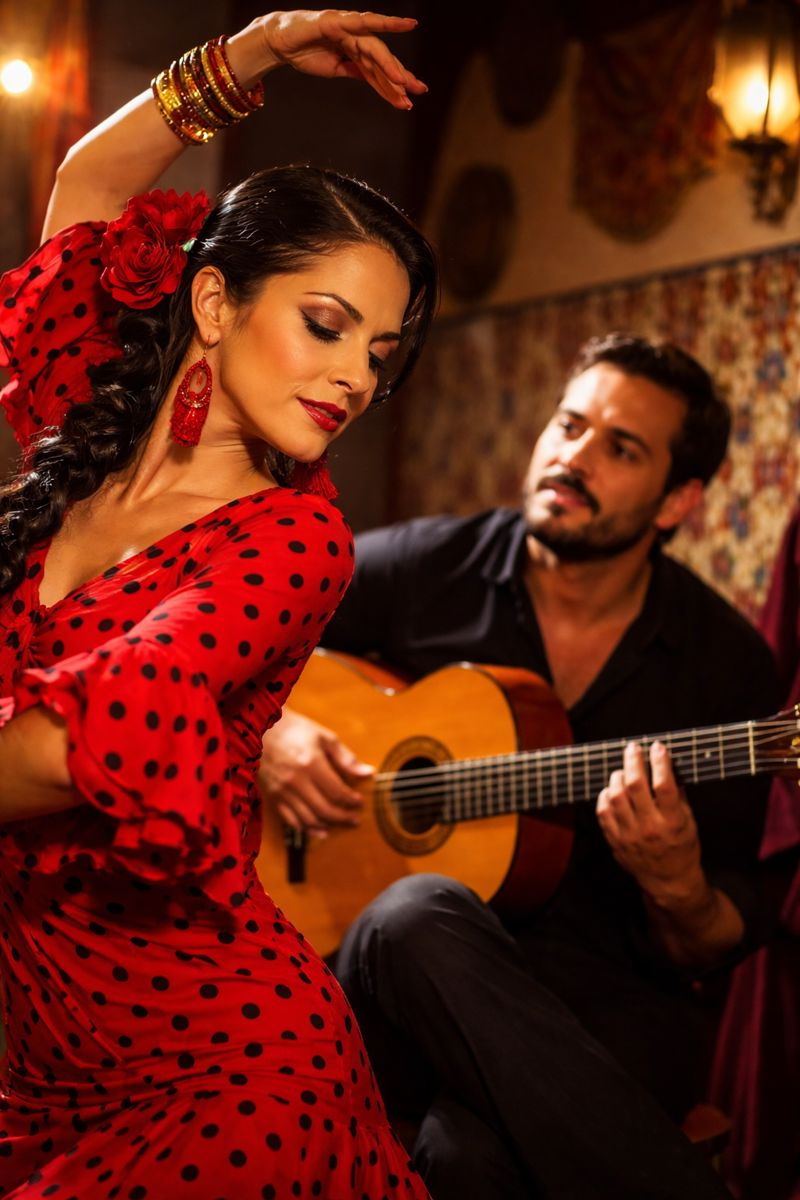
Jerez’s cultural life revolves around sherry, seasonal cooking, and Andalusian customs, with events spaced across the year. Heritage runs deep in Jerez — especially in gastronomy, equestrian arts, wine, and flamenco. The elegant Teatro Villamarta offers flamenco, zarzuela, and classical performances. Visit regional archaeological collections at the Museo Arqueológico Municipal, and learn about Spain's equestrian and carriage heritage at the Museo del Enganche.
Some event highlights:
Sherry vendimia (harvest) programming (late summer–fall)
Flamenco peñas with weekly performances. A peña is a non-commercial, intimate sanctuary for flamenco enthusiasts to enjoy live music, dancing, and singing
Religious and neighborhood festivals
Agricultural & horse-culture exhibitions
Bodega open houses & tastings (year-round)
Horse culture exhibitions in local ranches
Food and tapas weeks with neighborhood routes
Culinary workshops on sherry pairings
Why it works year-round: Culture here is paced and participatory — perfect for those who prefer conversation to crowds.
3. Lyon, France: From Ancient Ruins to Modern Installations
Lyon offers constant culinary, cultural, and educational programming — not flashy, but deeply satisfying. Its Its UNESCO-listed, 2,000-year-old heritage blends Roman ruins with vibrant, modern creative industries. Over 100 giant, realistic, trompe l'oeil murals adorn city buildings, such as the Fresque des Lyonnais. Residents attend major contemporary and classical dance performances throughout the year at the Maison de la Danse. Located in a 17th-century palace, Lyon's Musée des Beaux-Arts holds significant works from Rubens, Rembrandt, and Picasso. The city’s history as a global silk capital is preserved through specialized museums.

Some event highlights:
Seasonal food fairs & weekly markets
Les Mâchons Lyonnais gatherings
Museum late nights and special evenings
Riverfront cultural programming
Neighborhood art walks and heritage weeks
Wine and regional cuisine festivals
The Festival of Lights, a 4-day annual event in early December
The Biennale de la Danse is one of Europe's largest, most prestigious international contemporary dance festivals, held every two years in Lyon.
Why it works year-round: While Lyon hosts world-renowned festivals, residents here don’t just wait for them to come around — culture happens weekly.
4. Porto, Portugal: Tradition layered onto daily life

Porto blends working-class heritage with ongoing neighborhood celebrations. Porto’s culture hums from the riverfront to historic districts every season. Porto's Casa da Música is a world-class concert hall with ongoing programming. The Museu de Arte Contemporânea de Serralves is a centerpiece of modern art. The grape harvest events along the river are not to be missed.
Some event highlights:
São João-related programming (early summer)
Neighborhood saints’ days & block parties
Porto wine harvest events along the Douro (fall)
Fishermen traditions and river culture festivals
Seasonal olive oil and food fairs tied to religious calendars
Storytelling and folk music gatherings
Public art and craft markets
Why it works year-round: Culture here is social and informal — residents often stumble into events rather than plan them.
5. Salzburg, Austria: Classical culture plus alpine tradition
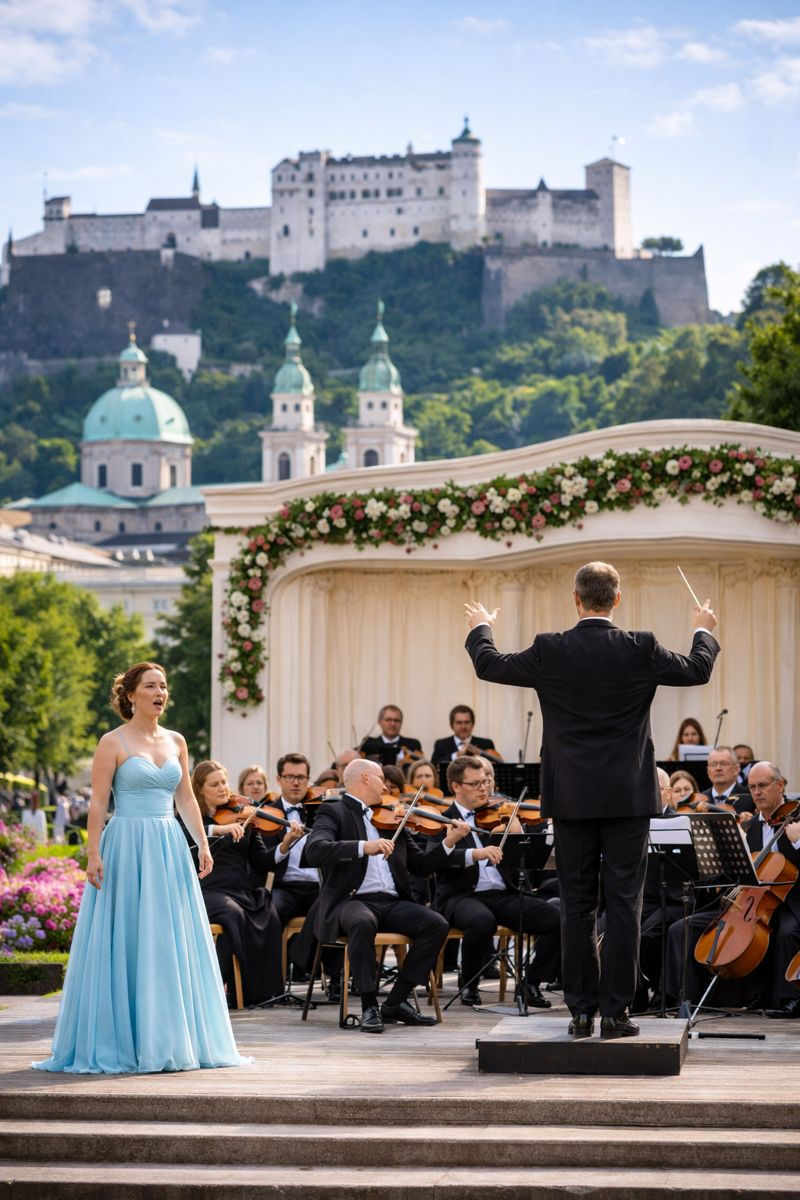
Salzburg balances refined arts with seasonal rural traditions accessible year-round. Salzburg pairs classical arts with local alpine traditions, giving retirees a gentle but rich cultural rhythm. Landestheater Salzburg offers year-round opera, theatre, and ballet. The Museum der Moderne Salzburg showcases modern art above the city. The Mozarteum Foundation / Mozart Residence celebrates the life of Salzburg's most famous resident, Mozart.
Some event highlights:
Regional food markets
Nearby Salzkammergut village celebrations
Alpine village harvest festivals (spring-fall)
Advent markets and Christkindlmarkt traditions (winter)
Folk music and brass performances
Crafts and art markets
Local cultural lectures and exhibitions
Public concerts in historic churches
Why it works year-round: Even off-season months offer structured, gentle cultural engagement.
These cities don’t just offer occasional highlights — they deliver weekly, monthly, and seasonal cultural continuity, making them perfect for long stays where arts, community, education, and social participation are part of daily life.
If you found this article informative, please click "like". If you'd like us to dive deeper into this topic, or if there's something else you'd like us to write about, please contact us. We'd love to hear from you!


Comments